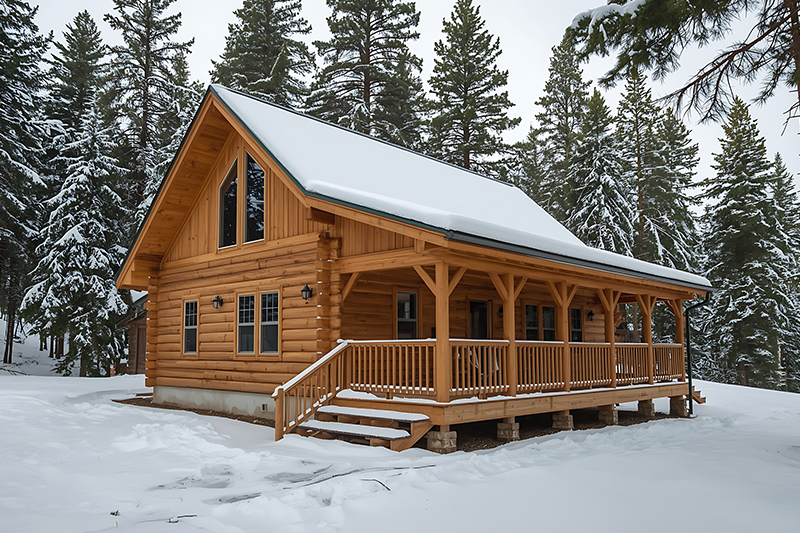
If you own a cabin or vacation home in Northern Michigan, winterizing it properly is one of the most important things you can do to protect your property. Sub-zero temperatures, snow, and ice can quickly turn small issues into major damage if your property isn’t prepared. Whether you’re closing up for the season or simply want to reduce heating bills, here’s how to winterize your cabin the right way.
1. Shut Off the Water Supply
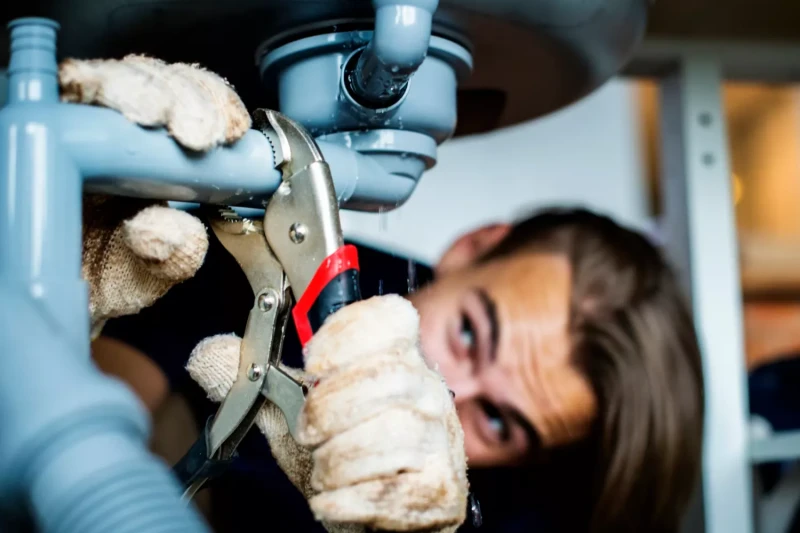
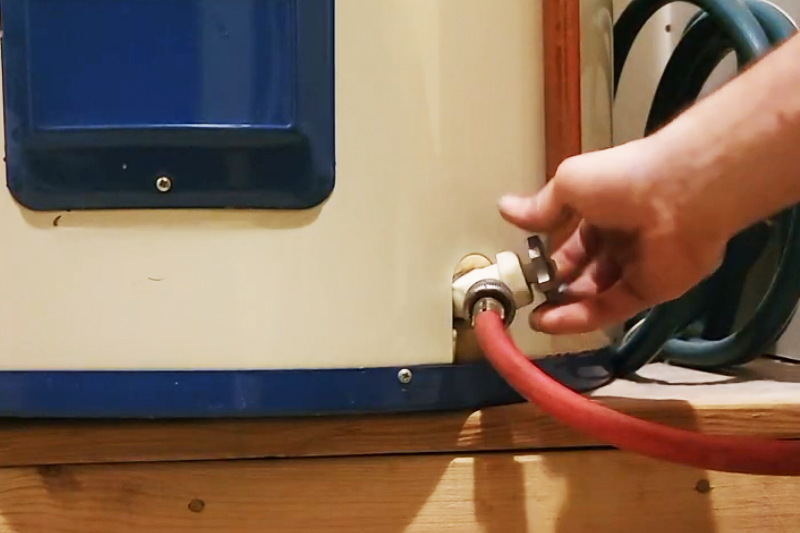
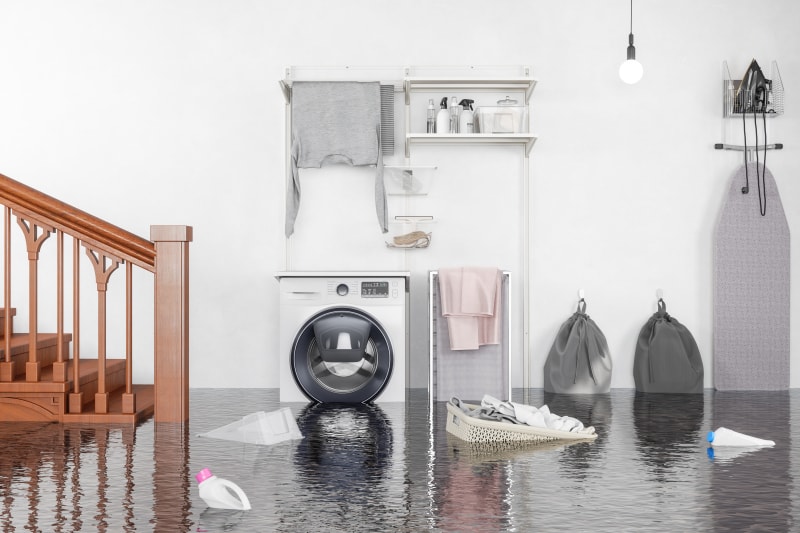
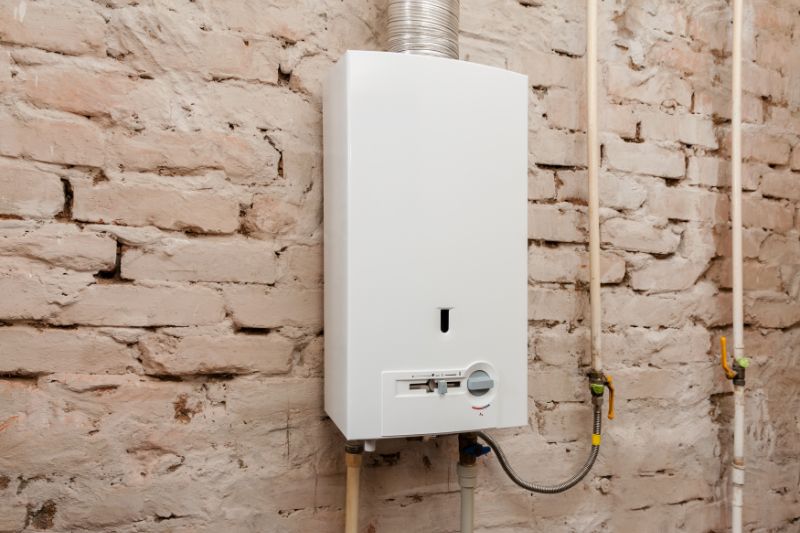
Start by turning off the main water supply to the home. Then, open all faucets and drain the pipes to prevent water from freezing and bursting the lines. Don’t forget to flush toilets and drain water heaters and appliances like washing machines and dishwashers.
2. Blow Out the Plumbing (Optional but Highly Recommended)
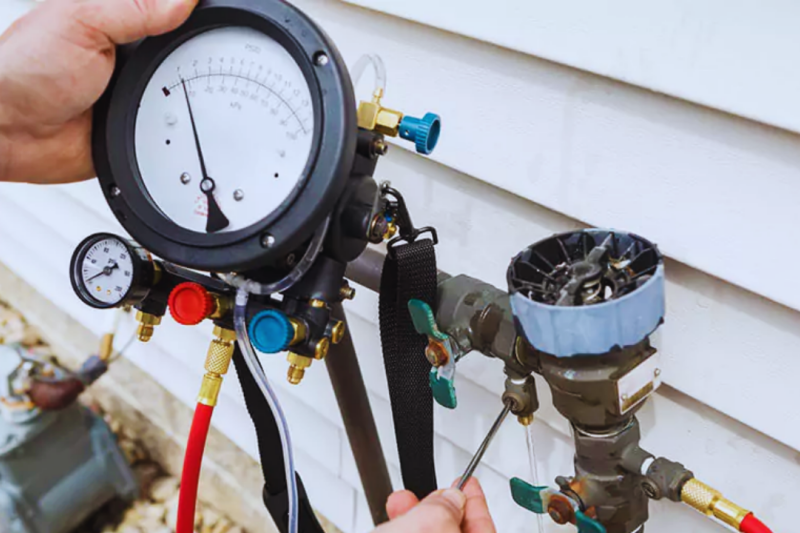
For extra protection, especially in older homes, have a professional blow out the plumbing with an air compressor. This ensures no water remains in the lines.
3. Add RV Antifreeze to Drains and Toilets
Pour non-toxic RV antifreeze into all sink, tub, and shower drains, as well as in toilet bowls and tanks. This prevents water in the traps from freezing and cracking the plumbing. Water left in lines can settle in low spots and can freeze and crack lines.
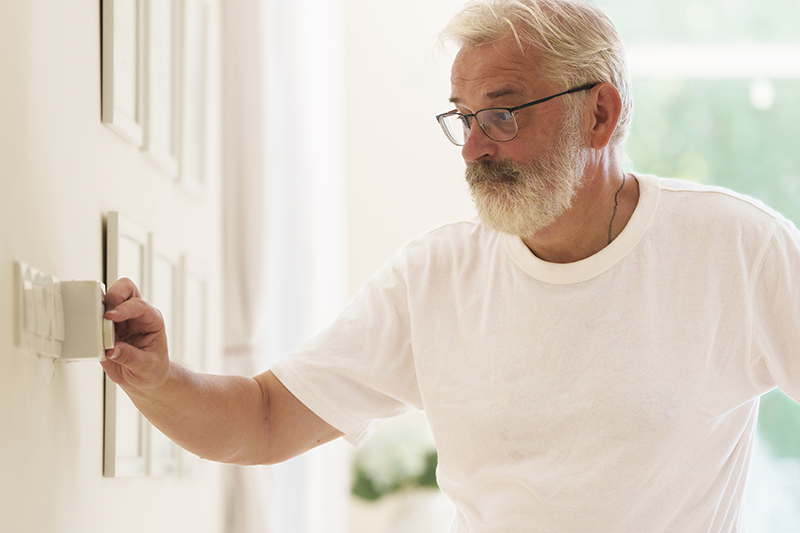
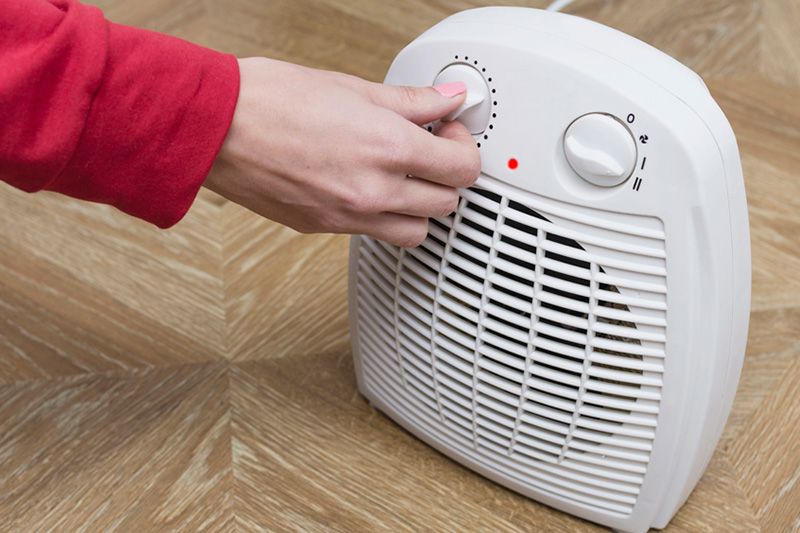
4. Adjust the Thermostat or Shut Down Heating
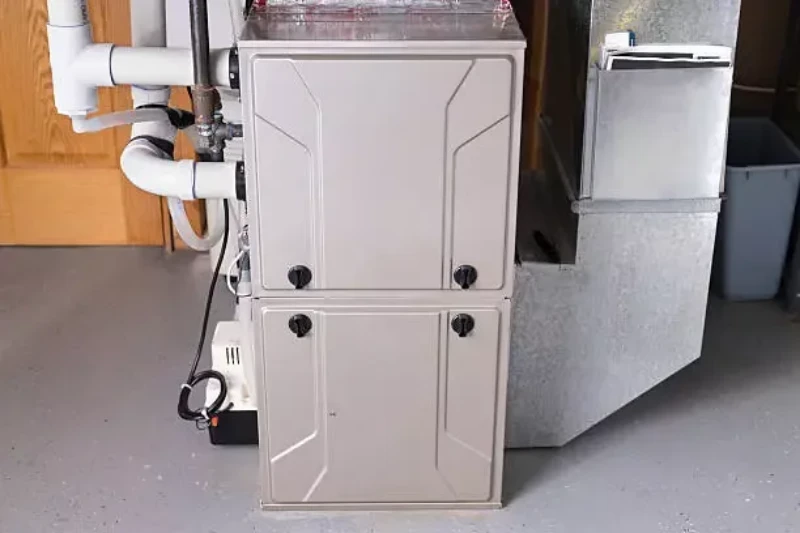
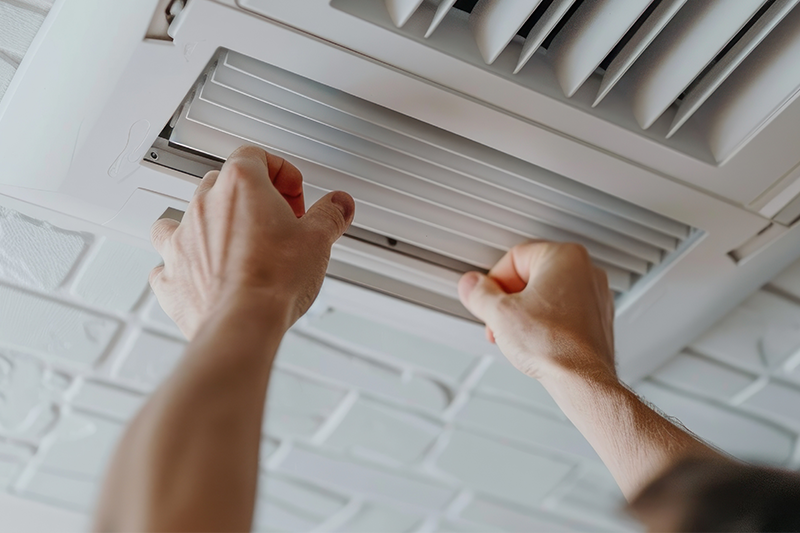
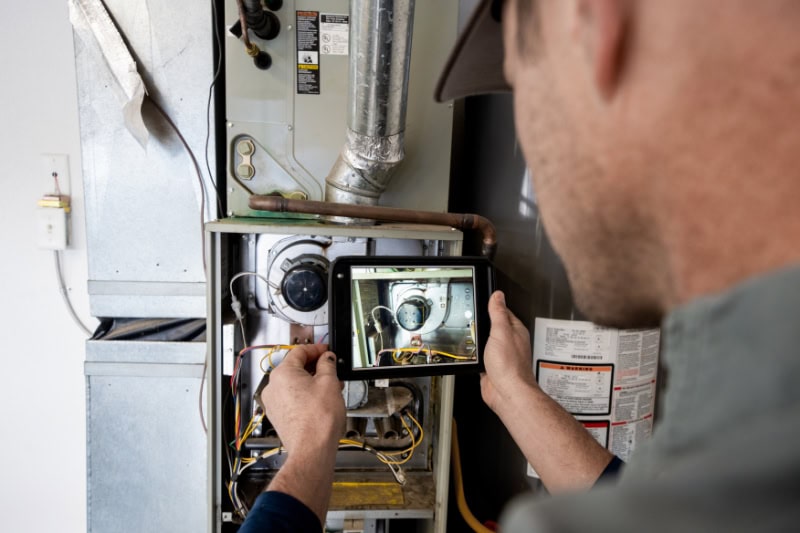
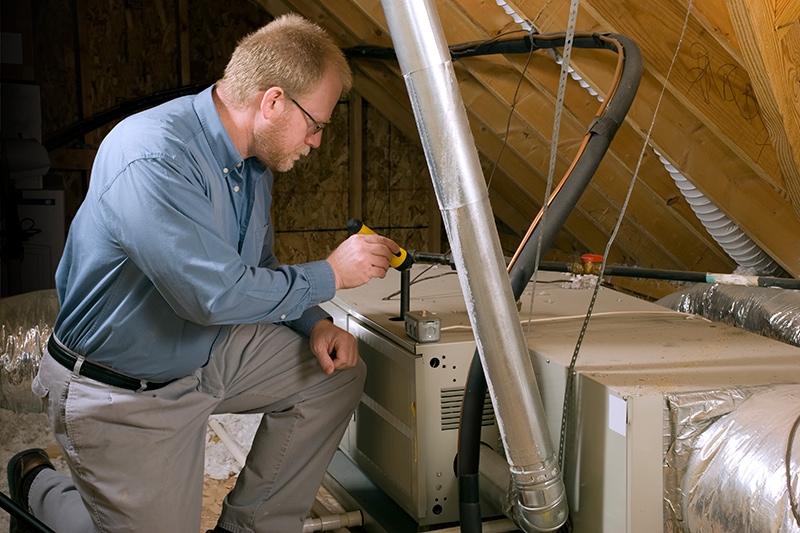
If you plan to leave the heat on, set your thermostat to 55–60°F. This helps protect walls, floors, and appliances from extreme cold. If you’re turning off the heat entirely, make sure your plumbing is thoroughly drained and your appliances are winterized. Too cold of air can cause condensation in a portion of the heat exchanger that cannot handle water and will cause irreversible corrosion.
5. Seal Up Drafts and Windows
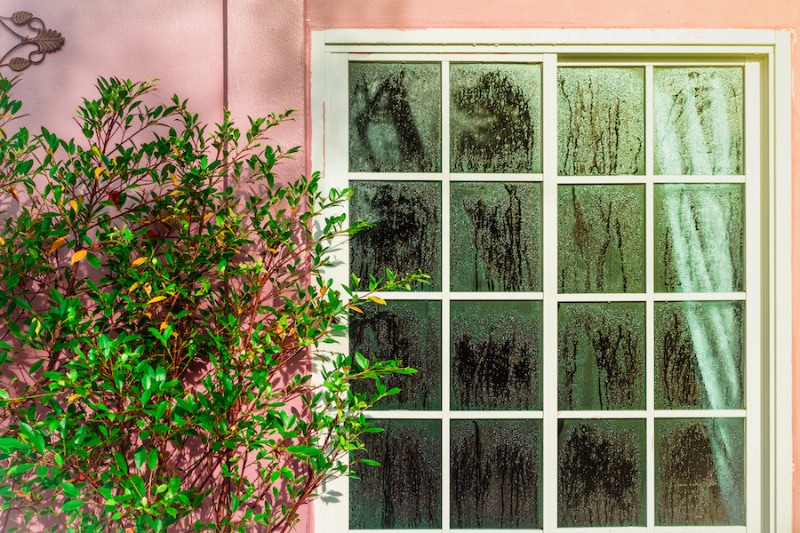
Inspect all doors and windows for gaps or cracks, and apply weatherstripping or caulk as needed. This helps keep cold air out and prevents moisture from entering your home.
6. Unplug Appliances and Turn Off Breakers
Unplug electronics and small appliances to reduce the risk of electrical fires or damage from power surges. You may also want to turn off breakers to non-essential circuits.
7. Check the Roof and Gutters
Make sure your roof is in good condition and gutters are clear of debris. Ice dams and snow buildup can lead to leaks or structural damage over the winter.
8. Secure the Property
Close and lock all windows and doors, install deadbolts if needed, and consider motion-sensor lights or security cameras. Let a neighbor or caretaker know you’ll be away.
9. Protect Against Pests
Seal up small holes or entry points where rodents might get in. Consider placing traps or repellents to deter unwanted guests while you’re gone.
10. Schedule a Professional Inspection
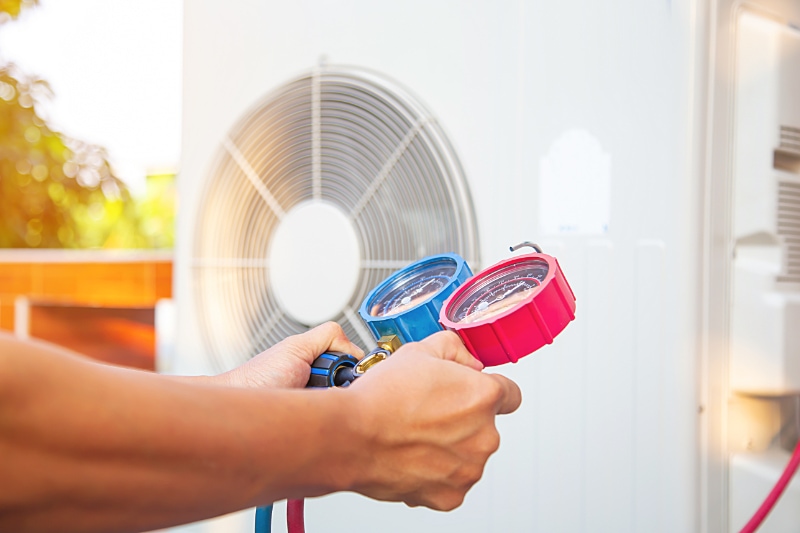
If you’re unsure whether your home is fully protected, Team Bob’s offers winterization services that include plumbing and HVAC checks to ensure your cabin is safe all season long.
Need Help Winterizing Your Cabin?
Team Bob’s knows how to winterize a cabin. Our experienced team can handle the winter prep for your plumbing, heating, and more. Schedule your service today.