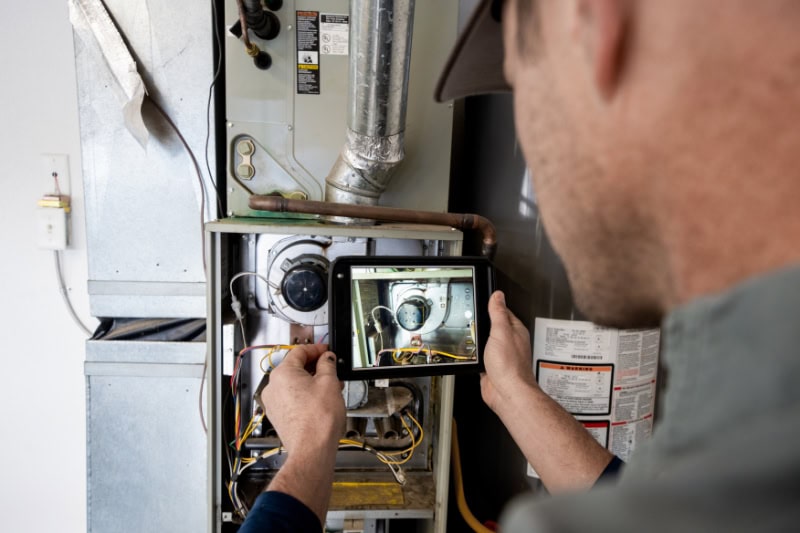
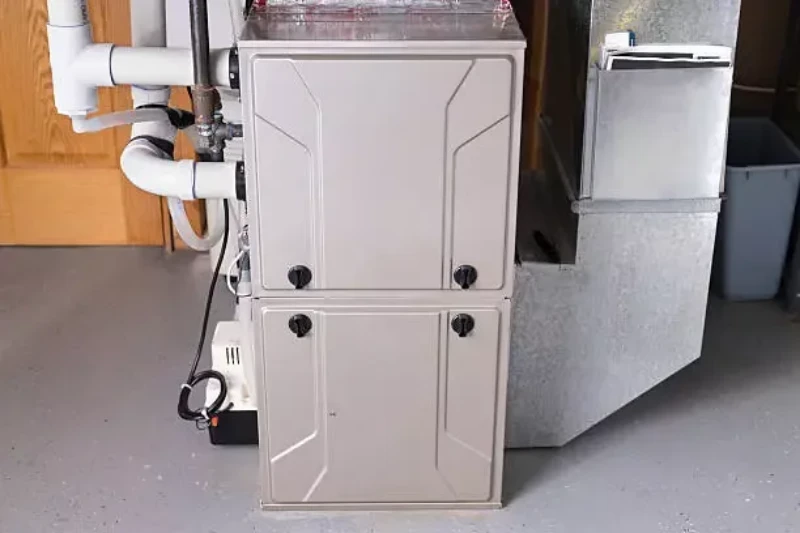
When homeowners ask “How long do furnaces last?”, the short answer is: it depends. The longer answer—and the more useful one—comes down to the type of furnace you have, how efficiently it operates, and how well it’s maintained over time.
Understanding furnace lifespan doesn’t just help you plan ahead. It also helps you decide when it makes sense to repair, replace, or upgrade to a high-efficiency system that saves money and improves comfort.
How Long Do Furnaces Last on Average?
Most residential furnaces last 15 to 20 years. Some may run a little longer, but efficiency and reliability tend to drop well before complete failure.
Here’s a general breakdown:
- Older, standard-efficiency furnaces (80% AFUE): 15–25+ years
- High-efficiency furnaces (90%+ AFUE): 12-15 years with proper care-
If your furnace is more than 15 years old, even if it still works, it may be costing you more than you realize in energy waste and repairs.
What Determines Furnace Lifespan?
Several factors directly affect how long your furnace will last:
- Efficiency rating
- Installation quality
- Maintenance history
- Daily usage and climate conditions
Think of it like a vehicle. A well-built, fuel-efficient car that’s serviced regularly will last longer and cost less over time than an older gas guzzler that’s constantly pushed to its limits.
What Is a High-Efficiency Furnace?
A high-efficiency furnace is designed to get more heat from the same amount of fuel.
Efficiency is measured by AFUE (Annual Fuel Utilization Efficiency):
- 80% AFUE: 80% of fuel becomes heat, 20% is wasted
- 90%–97% AFUE: Nearly all fuel is converted into usable heat
Cost Savings Over Time
High-efficiency furnaces typically cost more upfront—but they pay for themselves over time.
- Lower monthly heating bills
- Less wasted fuel
For example, a 90% efficient furnace wastes half as much energy as an 80% model. Over 10–20 years, that difference adds up to thousands in savings.
Environmental Impact
High-efficiency furnaces don’t just save money—they’re better for the environment.
- Burn fuel more cleanly
- Produce fewer emissions
- Reduce your home’s carbon footprint
For homeowners who want greener living without sacrificing comfort, efficiency matters.
Performance and Comfort Benefits
Beyond efficiency, modern furnaces simply perform better.
High-efficiency systems offer:
- More even heating throughout your home
- Quieter operation
- Fewer hot and cold spots
Many models include variable-speed blowers, which adjust airflow gradually instead of blasting on and off. The result is smoother, quieter, more consistent comfort.
Technology That Extends Furnace Life
High-efficiency furnaces use advanced technology designed to reduce wear and tear:
- Condensing systems with secondary heat exchangers capture more heat before it escapes
- Variable-speed motors reduce stress on internal components
- Smarter controls improve efficiency and system balance
Less strain equals fewer breakdowns and a longer lifespan.
A Smarter Long-Term Investment
When homeowners ask “How long do furnaces last?”, the real question is how long they stay worth owning.
High-efficiency furnaces:
- Often last 20 years or more
- Require fewer major repairs
- Deliver consistent performance year after year
That makes them a strong long-term investment—not just a replacement.
Adaptability and Future-Proofing
Today’s systems are designed to grow with your home:
- Zoning options for customized heating
- Compatibility with smart thermostats
- Modular designs that support future upgrades
Installing a modern furnace now helps avoid another replacement sooner than expected.
Affordable Financing Available
Upgrading doesn’t have to be a financial burden.
Ask us about our affordable financing options, designed to make high-efficiency comfort accessible without putting off the upgrade you need.
Not Sure How Long Your Furnace Has Left?
If your furnace is aging, inefficient, or needing frequent repairs, it may be time to evaluate your options. The experts at Team Bob’s Heating, Cooling & Plumbing can assess your system, explain your choices clearly, and help you decide whether repair or replacement makes the most sense for your home and budget.