
House humidity isn’t just about comfort. it directly affects your health, your heating system, and your home’s structure.
In Northern Michigan, long winters and constant furnace use can push indoor humidity too low. In other seasons, humidity can swing the other way. When house humidity is out of balance, problems start quietly—and get expensive fast.
Balanced humidity means healthier air, protected materials, and a more efficient HVAC system.
Below is a clear, practical plan to understand, measure, and control house humidity the right way.
Step 1: Understand the Ideal House Humidity Range
The ideal indoor humidity level is typically between 30% and 50%.
When humidity drops too low, you may notice:
- Dry skin and irritated sinuses
- Static electricity
- Cracking wood floors or trim
- Increased dust circulation
When humidity rises too high, you may see:
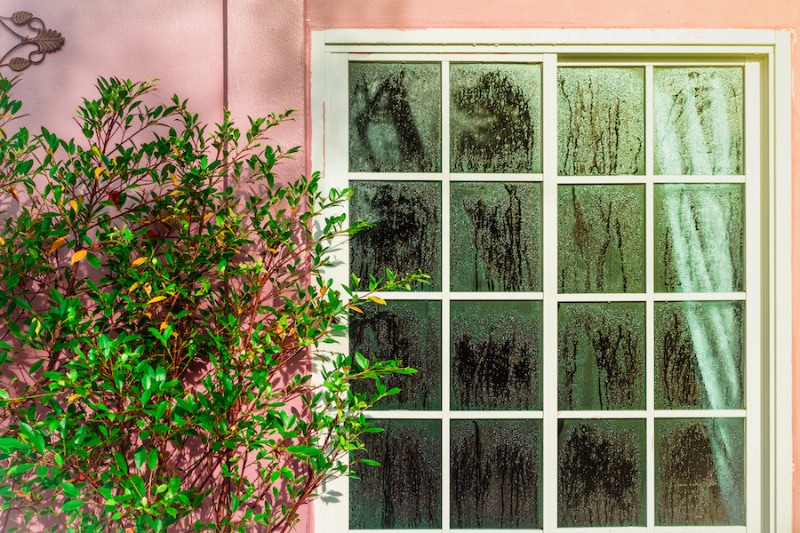
- Condensation on windows
- Musty odors
- Mold or mildew growth
- Warping wood or peeling paint
Why this matters: Both low and high house humidity can damage your home and reduce indoor air quality.
Step 2: Measure Before You Make Changes
Many homeowners guess at humidity levels—but guessing leads to overcorrecting.
A proper evaluation includes:
- Testing humidity in multiple areas of the home
- Inspecting HVAC airflow
- Checking insulation and ventilation
- Identifying seasonal imbalances
Accurate measurement ensures you fix the real problem—not just the symptoms.
Step 3: Improve House Humidity with the Right Equipment
The solution depends on your home’s needs.
If humidity is too low:
- Install a whole-home humidifier connected to your HVAC system
- Adjust furnace settings for balanced airflow
If humidity is too high:
- Improve ventilation
- Install a dehumidification system
- Seal air leaks that introduce excess moisture
Portable units may help temporarily, but whole-home systems provide consistent, controlled results.
Step 4: Protect Wood, Air Quality, and HVAC Efficiency
Balanced house humidity helps:
- Preserve hardwood floors and cabinetry
- Reduce airborne dust and allergens
- Improve heating efficiency
- Prevent structural shrinkage or expansion
- Create more stable indoor comfort
Homes in Northern Michigan with long heating seasons benefit the most from controlled humidity systems.
Step 5: Monitor and Maintain Year-Round
House humidity changes with the seasons. Winter dryness and summer moisture require different strategies.
Routine HVAC inspections and humidity checks ensure:
- Consistent indoor comfort
- Lower risk of mold or structural damage
- Reduced strain on heating and cooling systems
- Long-term protection of your home investment
Balanced Humidity = A Healthier Home
House humidity isn’t a small detail. it’s a foundational part of indoor comfort and home protection.
When humidity levels stay within the ideal range, your home feels better, your air stays cleaner, and your systems run more efficiently.
If your home feels too dry in winter or too damp in warmer months, it may be time to take control of your house humidity before small issues turn into major repairs.
Concerned About Your House Humidity This February?
If your house humidity levels feel too low, your skin is irritated, or your hardwood floors are beginning to separate, it’s time to evaluate your indoor air balance. Winter in Northern Michigan is the driest time of the year—and prolonged low house humidity can quietly damage your comfort, your air quality, and your home’s structure.
The experts at Team Bob’s Heating, Cooling & Plumbing can measure your humidity levels, identify imbalances, and recommend the right solution, whether that means system adjustments, repairs, or installing a whole-home humidifier that keeps your house humidity stable all winter long.