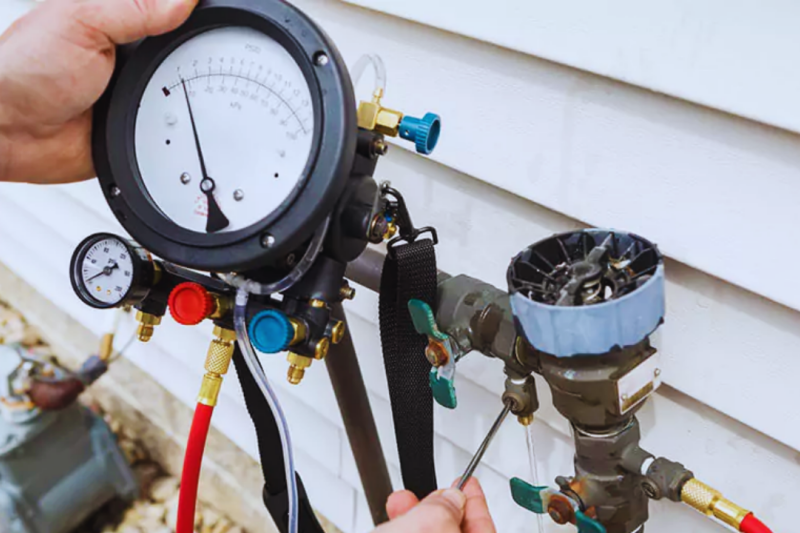
Water in your home or business should only move in one direction: clean water in, used water out.
But when backflow happens, your water system breaks that rule—and that’s when real problems begin.
Backflow occurs when contaminated water flows backward into the clean water supply. That water may contain chemicals, bacteria, fertilizer, or waste. It’s not just unpleasant—it’s dangerous.
That’s why Backflow Testing isn’t optional. It’s a critical safety measure that protects your property, your health, and your community’s water supply.
Below is a clear, no-nonsense action plan to understand backflow risks, stay compliant, and keep your water safe.
Step 1: Identify Backflow Risks (Before Things Get Weird)
Backflow usually happens when water pressure suddenly drops, allowing contaminated water to reverse direction. Common causes include:
- Sudden drops in city water pressure
- Irrigation and sprinkler systems
- Commercial equipment connected to water lines
- Aging or poorly maintained backflow prevention devices
Homes with irrigation systems, apartment buildings, restaurants, and commercial properties face the highest risk.
Why this matters: One backflow incident can contaminate your plumbing—and in some cases, affect the public water system.
Step 2: Professional Inspection of the Backflow Prevention Device
Your backflow prevention device is the gatekeeper between clean water and contamination. If it fails, there’s nothing stopping the flow from going the wrong way.
A certified technician will check:
- Proper installation
- Internal valve condition
- Pressure integrity
- Code compliance
This inspection catches small issues before they become major health or compliance problems.
Step 3: Certified Backflow Testing (Yes, This Is Usually Required)
In many areas, annual Backflow Testing is mandatory. Cities require proof that your system is actively preventing contamination.
During certified testing:
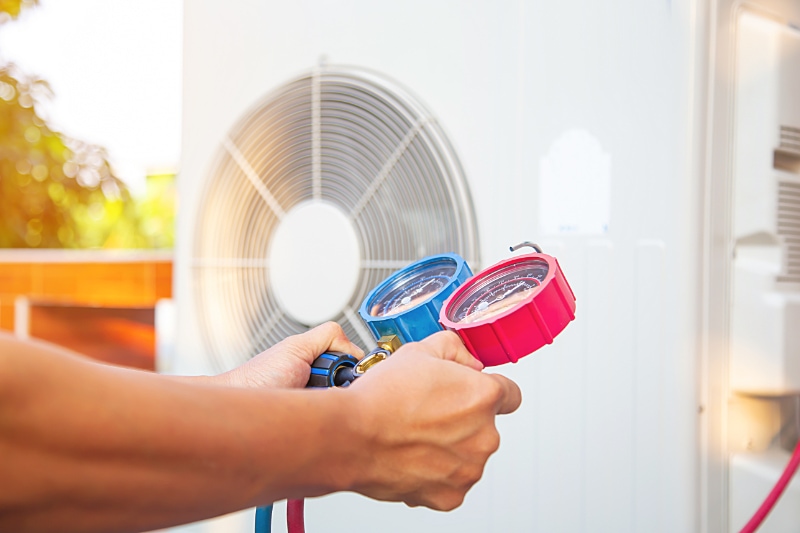
- System pressure is measured
- Check valves are tested under load
- Results are officially documented and reported
Failing to test—or failing to report—can lead to fines, violations, or even water service interruption.
Step 4: Immediate Repair or Replacement if the Device Fails
If a backflow device doesn’t pass testing, action must be taken immediately. A failed device puts public health at risk and exposes property owners to liability.
Solutions may include:
- Repairing internal valves
- Cleaning or replacing components
- Full replacement if the device no longer meets code
Team Bob’s handles repairs, retesting, and compliance reporting, so the issue is resolved correctly and quickly.
Step 5: Ongoing Maintenance = Long-Term Peace of Mind
The best way to avoid surprises is consistent maintenance. Scheduling regular Backflow Testing ensures:
- Continuous compliance
- Reliable protection of potable water
- Fewer emergency repairs
- Accurate records for inspections
Properties with irrigation systems, restaurants, apartment complexes, and commercial buildings benefit most from proactive maintenance plans.
Protecting More Than Just One Property
Backflow prevention isn’t only about your building. One failure can affect neighbors, businesses, and the entire community water supply.
Staying compliant helps protect everyone’s water, not just your own.